History Of Karkhana Samuha
A Journey of Learning, Making, and Change
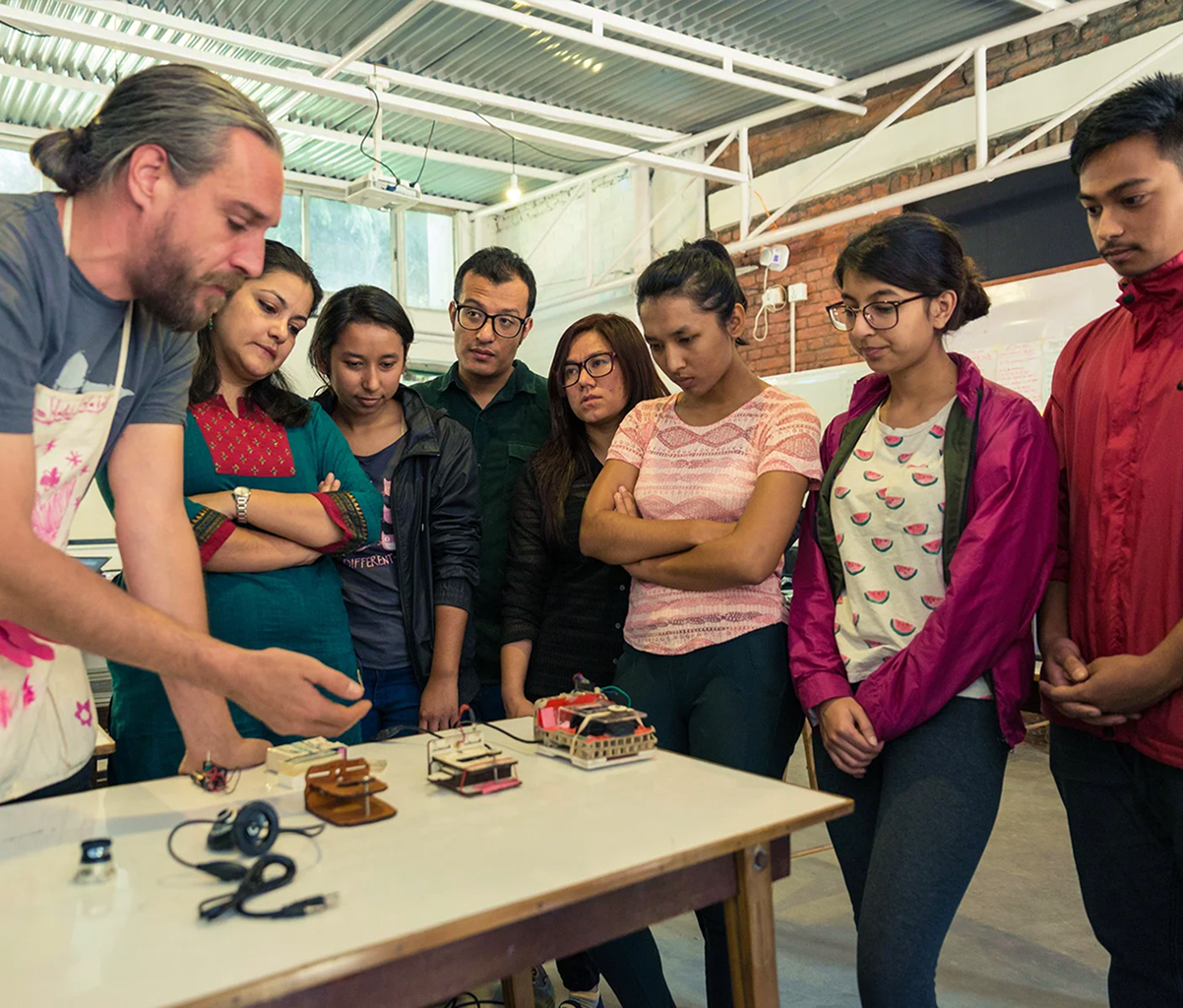
Karkhana, which means “factory” in several South and Central Asian languages, began in 2012 as a loose collective of artists, engineers, designers, and educators. It started as a non-hierarchical studio with no fixed mission, leaving room to experiment, make, and learn through shared projects. Early work focused on product design and prototyping practical solutions.
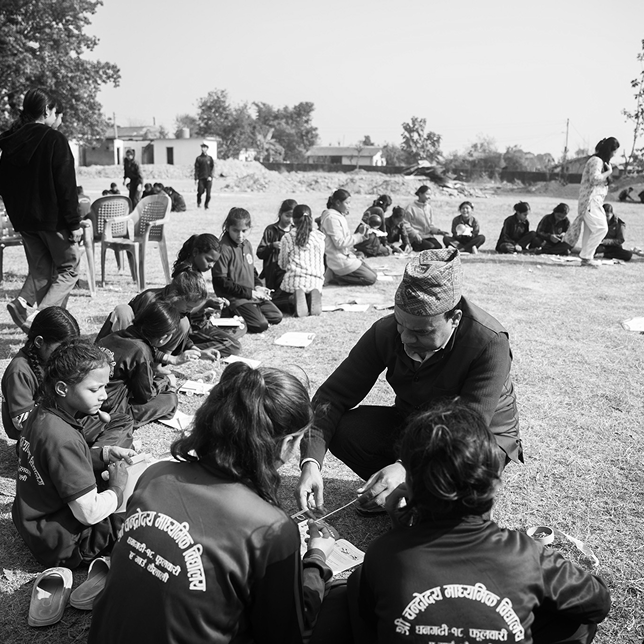
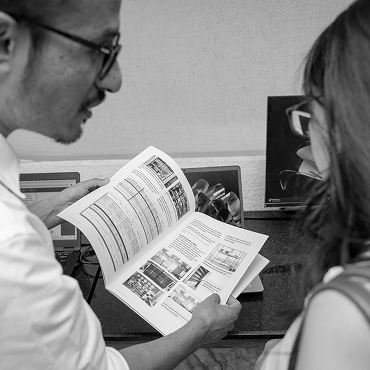
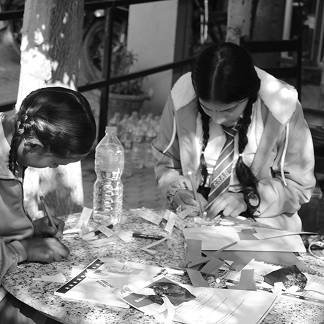
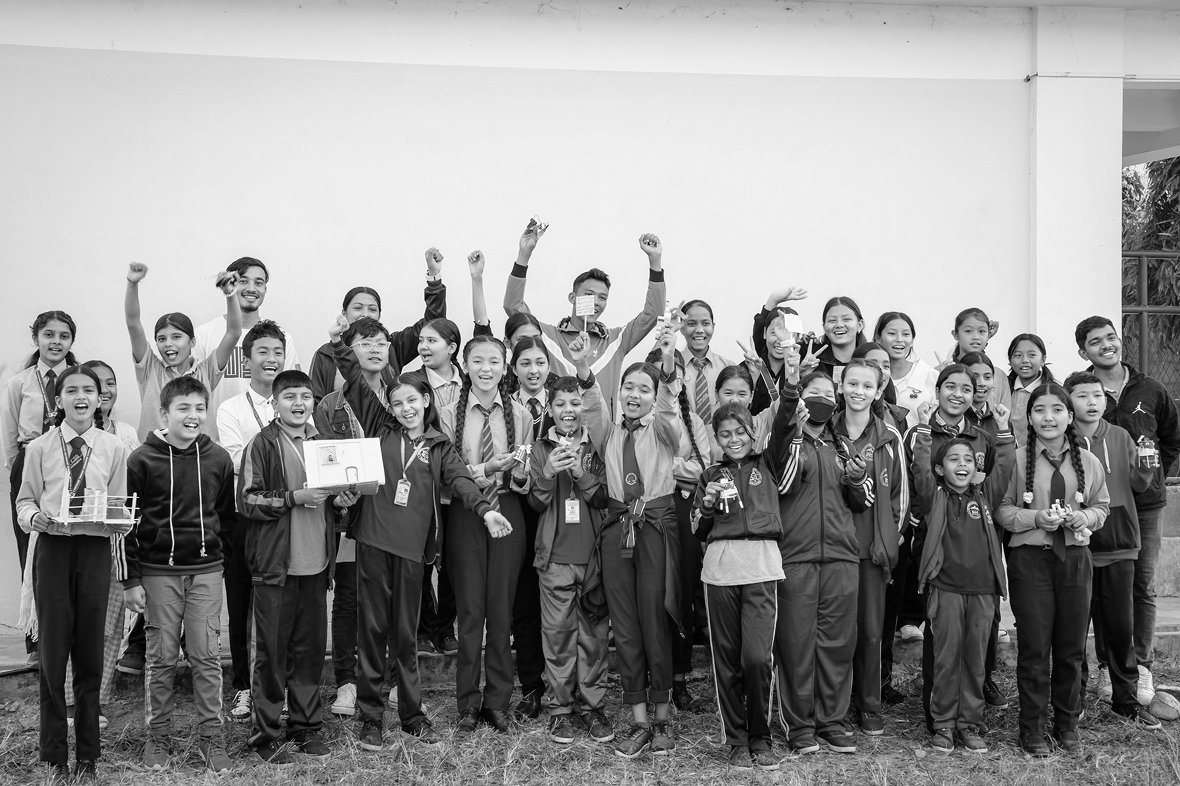
As the Karkhana team worked on projects across the industry, something became impossible to ignore. After about a year of working on product design, it was clear that Nepal did not have the ecosystem to sustain the kind of institution we were trying to build. One of the key gaps was the lack of creative and skilled human resources. The education system was not preparing people for unknown challenges and risk-taking. This was a big realization, and it reoriented everything. If innovation was going to take root in Nepal, it had to start much earlier. It had to start with how people learn.
Our History
Reimagining Impact After the Earthquake
Then came 2015. The earthquake that shook Nepal also shifted something within the team. Working across multiple districts, helping thousands of teachers bring students back into classrooms, the Karkhana team found themselves deep inside the realities of public education and the communities around them.
What the team saw during that time led to another realization. The communities that needed support the most were the ones that their model was least able to reach. A for-profit structure, however well-intentioned, had limits when it came to working within the public education sphere.
The answer, for some, was to step away from the for-profit model entirely. While Karkhana.Asia continued its work with schools as the for-profit arm of the collective, and a new path was taking shape alongside it. One that could work fully within public systems alongside the most marginalized communities, designing learning
Timeline
KS History Timeline
-
The Beginning of Karkhana Samuha
Formal Registration as a Non-Profit Organization at DAO
Partnership with US Embassy to transform their libraries into Innovation Hub
-
Building Innovation Through Maker Spaces
Maker Mentor Began: A program get youths involved in education centered in making.
Created Maker Spaces at iHuB to to increase access to innovative work and experiential learning.
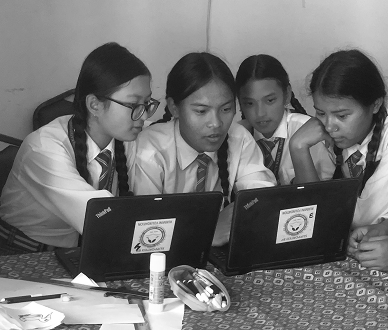
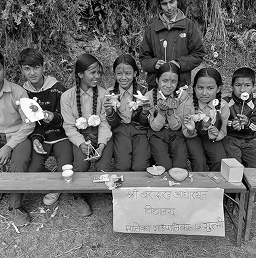
First session of Karkhana Samuha: Energy Mela conducted an iHUB (American Space Kathmandu)
2017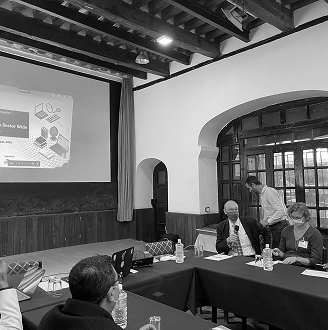
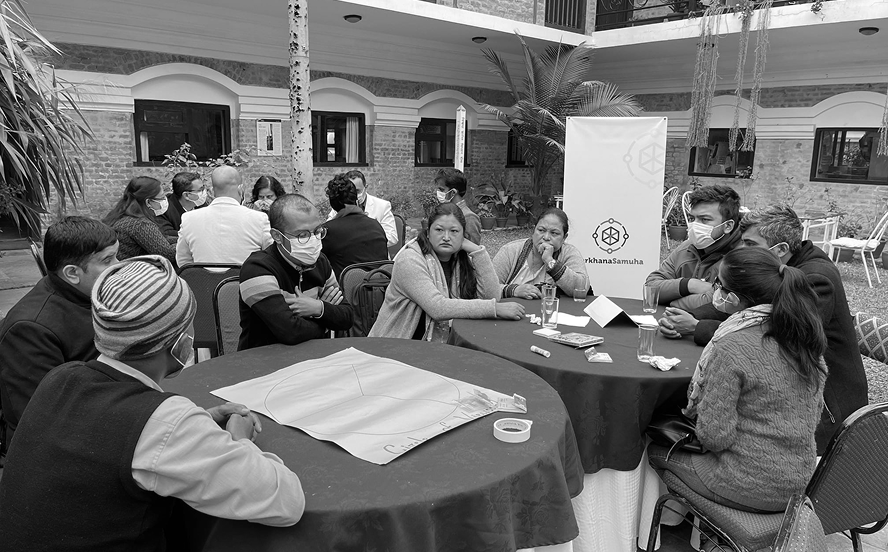
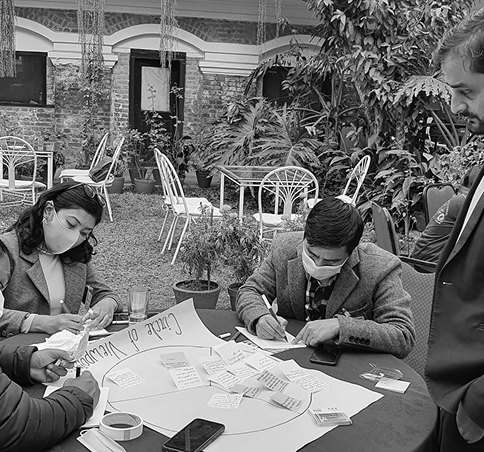
-
Expanding Access to Creative Learning
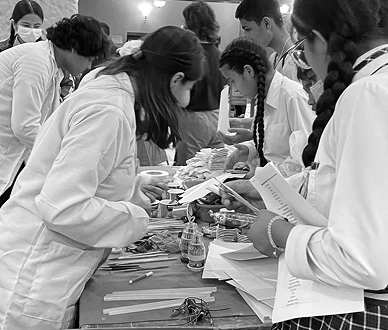
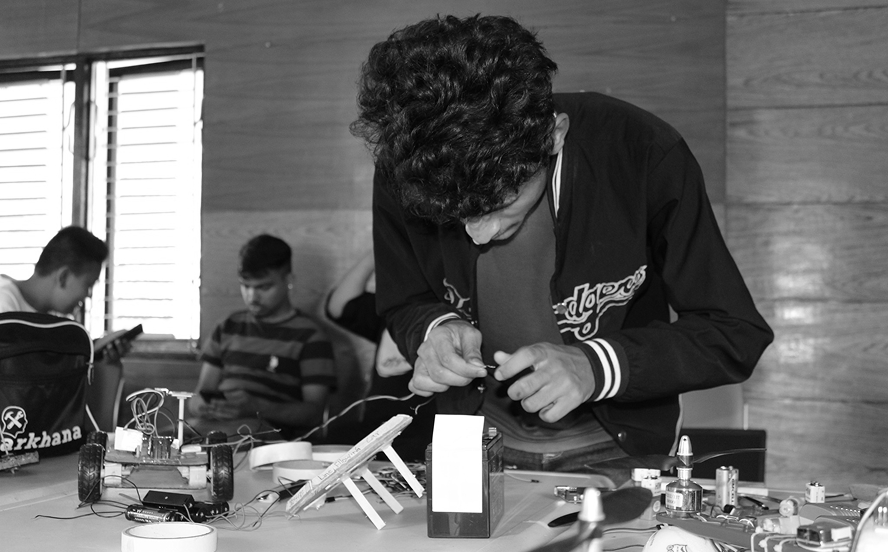
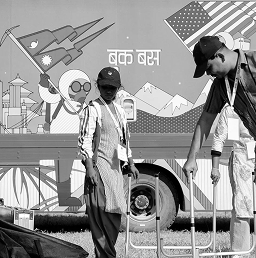
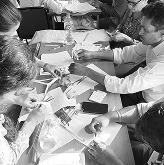
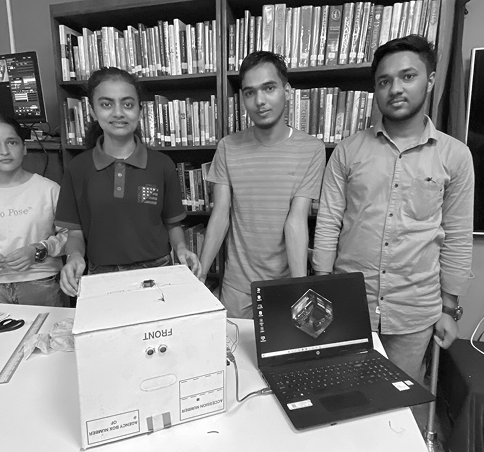
The Maker Space program at iHUB expanded to 6 American Spaces across Nepal.
-
Strengthening Digital Citizenship & Youth Engagement
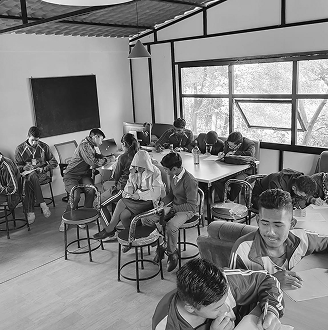
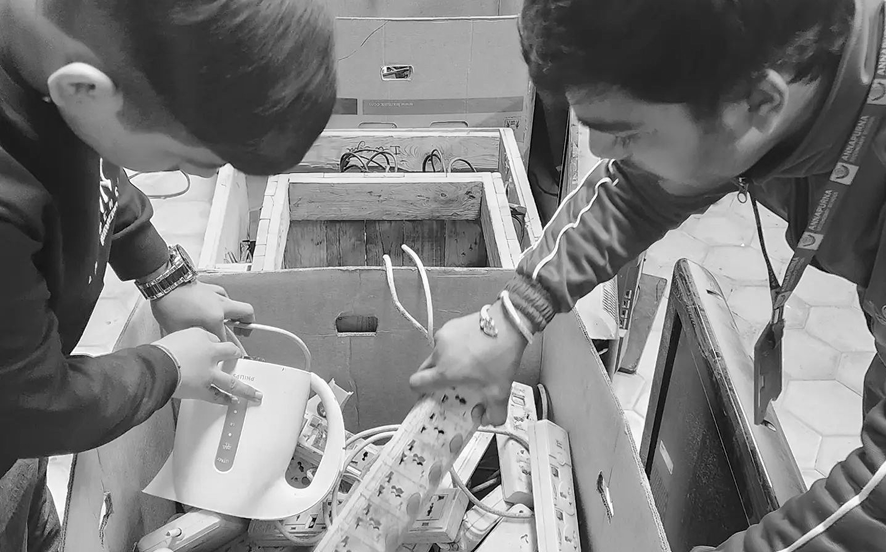
Continuation of Maker Spaces across all american spaces in Nepal.
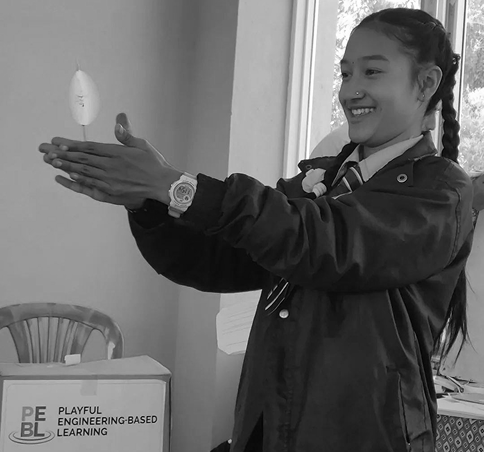
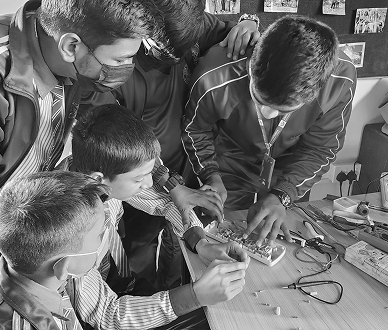
-
Learning Beyond Classrooms During Crisis
American spaces partnership expanded across 7 countries South Asia
Published the Digital Citizenship Toolkit to help internet users become digital citizens, critical thinkers and curious learners.(Karkhana Samuha’s First Learning Resource)
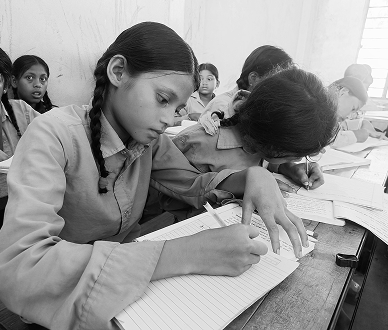
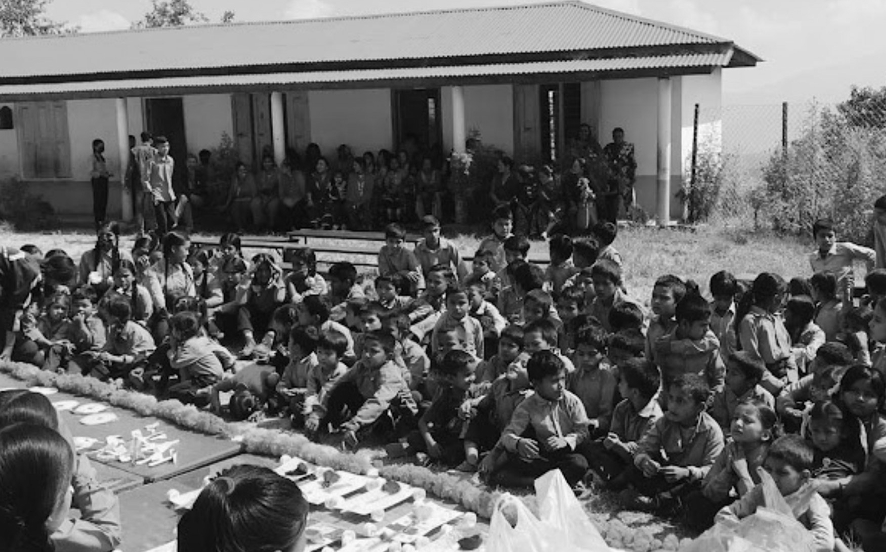
Education support program during the COVID 19 Pandemic with The Asia Foundation and Australia Government Department of Foreign Affairs and Trade to support families and communities of early grade and pre-primary students with supplementary educational material and guidance at the time where in-person education was not possible.
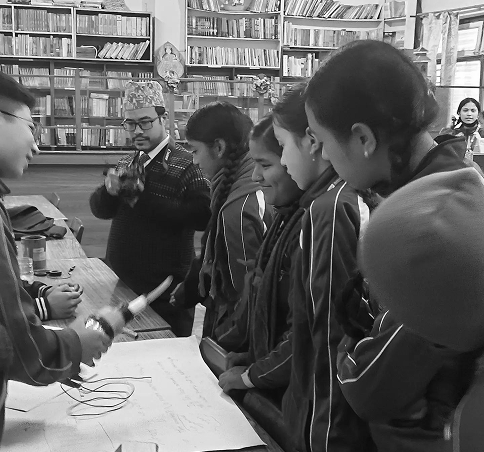
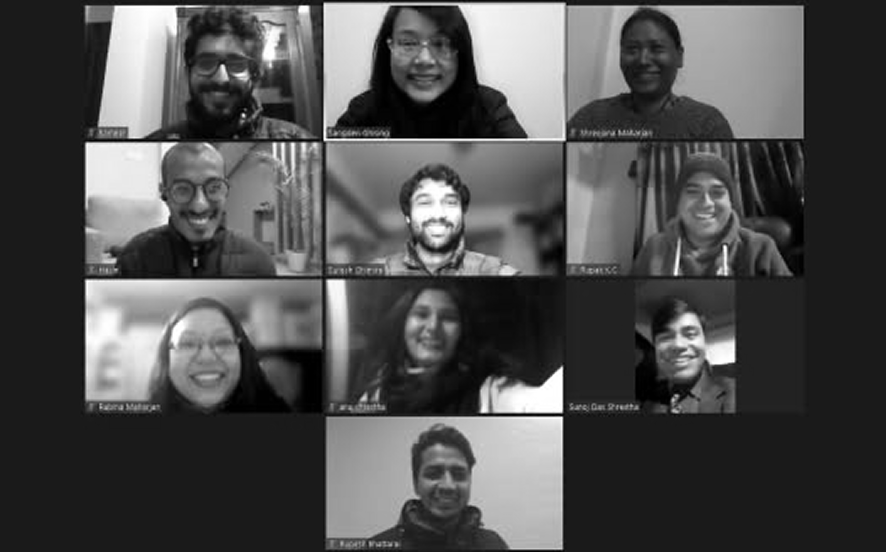
-
Growing Playful Learning Communities
KS stepped into Education Advocacy with the ESAF project funded by GPE-EOL (OC 2 – Year 0)
KS represented the Civil Society Organization at Joint Review Meeting
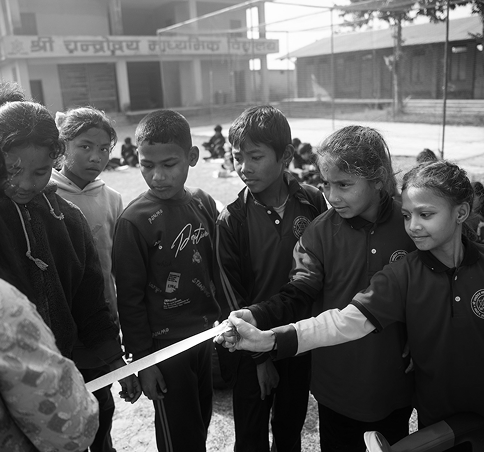
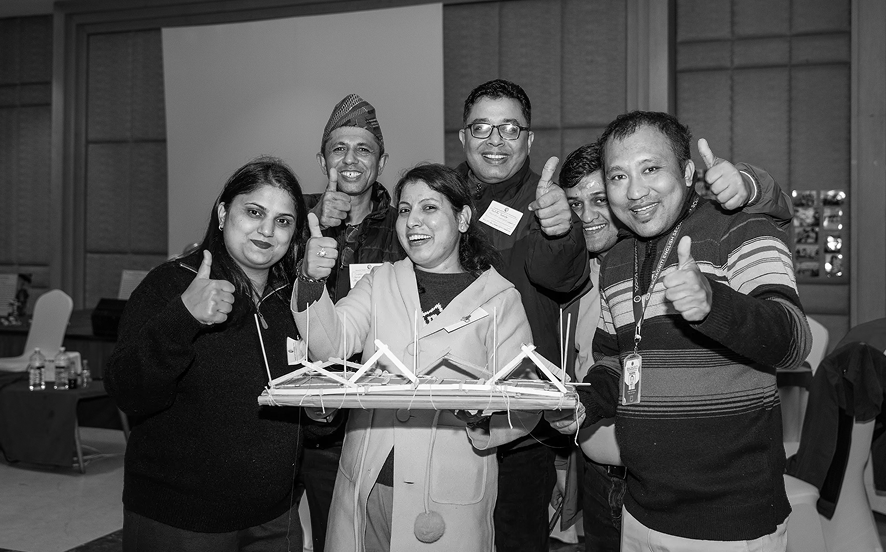
Start of the Playful Engineering Based Learning project in collaboration with Tufts University & the LEGO foundation with the first Teaching Community with 6 members in schools around Kathmandu Valley Built our first Teaching Community of Play with 55 teachers to strengthen playful learning practice, creating a peer network that continues through regular sharing, support, and classroom experimentation. Established a new Board to strengthen strategic oversight and leadership.
-
Scaling Kheldai Sikdai Classrooms
The teaching community expanded to 55 teachers
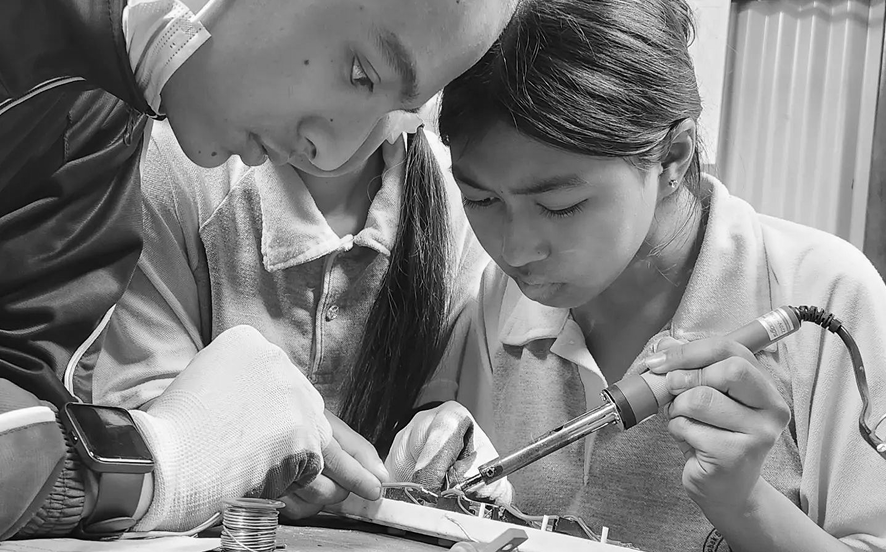
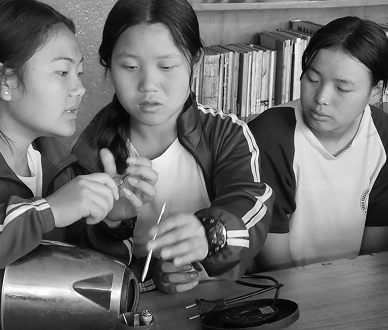
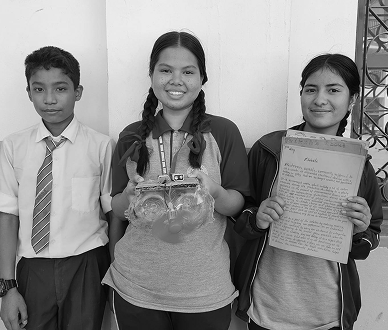
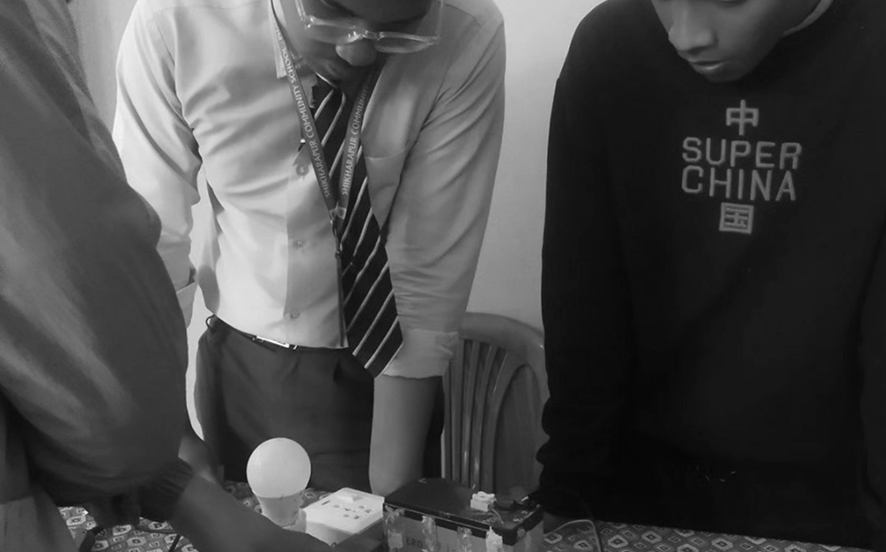
Started the Sikaru Saathi project with funding from Swarthmore College, worked with 45 students across Kathmandu, and developed an e-repair and e-waste recycling toolkit that promoted repair and responsible disposal, helping reduce electronic waste and support long-term sustainability.
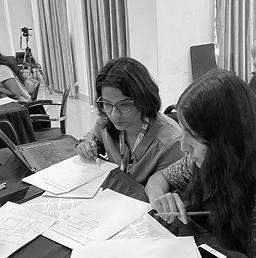
Karkhana Samuha worked with University of Lincoln, UK, to help youth identify and understand critical issues within the education system and craeting the space for intergenerational dialogue to integrate their voices into policy formulations.
-
Empowering Teachers & Inclusive Tech Spaces
Environmental Leadership program with youths working in environmental activism
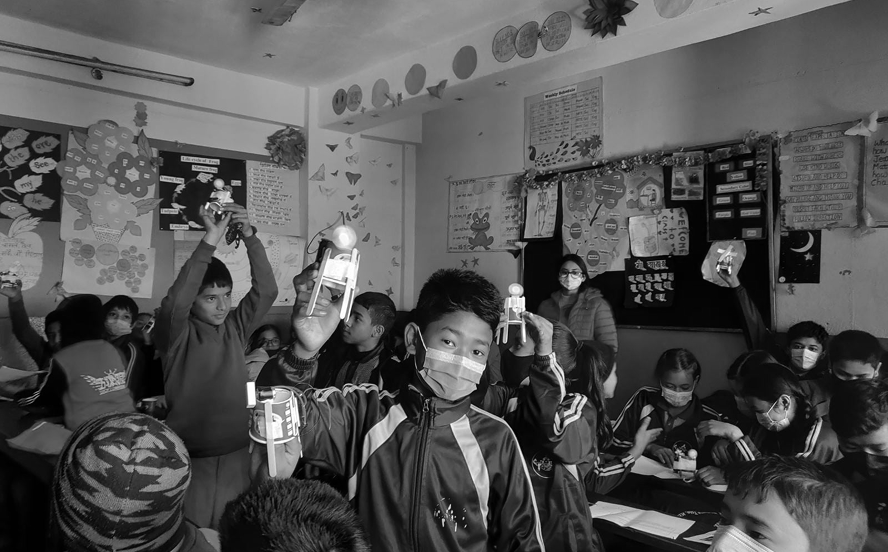
PEBL Robotics Implementation done to test low-cost robotics education in collaboration with Kathmandu Metropolotan City
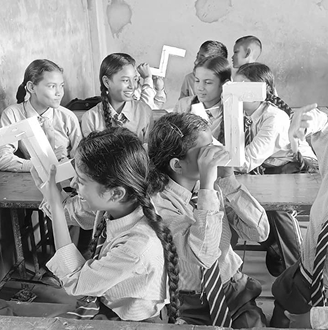
PEBL evolved into Kheldai Sikdai Classrooms and we worked with the teaching community in Hetauda & Gulmi.
– 34 additional teachers joined the Teaching Community.
-
From Local Impact to Regional Collaboration
Collaborated with the SCRATCH Foundation for the Coding, Design, Engineering, and Storytelling (CoDES) project to make creative coding more accessible and equitable for young children in Nepal; especially those in community and government schools.
Designed a curriculum and supporting resources to help children learn Scratch and build meaningful projects based on literature belonging to the local communities.
Continued the work in Education Advocacy with EOL-GPE funded Civil Society Empowerment for Accounatbel Education (CSE) project and established communities of practice of CSOs across Madhesh and Karnali with the goal of promoting evidence based advocacy in education.
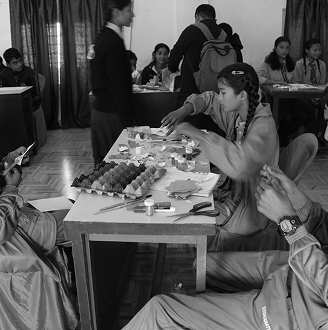
Making Spaces were co-designed with teachers & school leaders in 6 schools as part of our Kheldai Sikdai Making Space program across Kathmandu, Lalitpur, and Kavre.
Making Spaces were co-designed with teachers & school leaders in 6 schools as part of our Kheldai Sikdai Making Space program across Kathmandu, Lalitpur, and Kavre.
Developed a wiki to collect information and promote evidence-based advocacy in education developed under the CSE project and shared among the CSOs we are working with.
-
Driving Advocacy, Sustainability & Digital Growth
Started the Kheldai Sikdai Classroom with 12 schools and 48 teachers in Parterwa Sugauli Rural Municipality and Chandrapur Municiplaity.
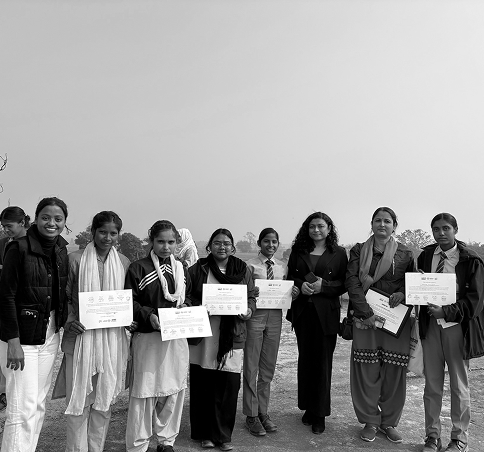
Started working on making tech spaces inclusive for girls in marginalized communities with the Naveenta Project in partnership with the Street Child of Nepal.
-
Advancing Education Advocacy Across Nepal
Worked with FCDO and the TEJ Center to strengthen pathways into the digital economy for marginalized youth by building job-ready software development skills that improve employability and support local digital growth.
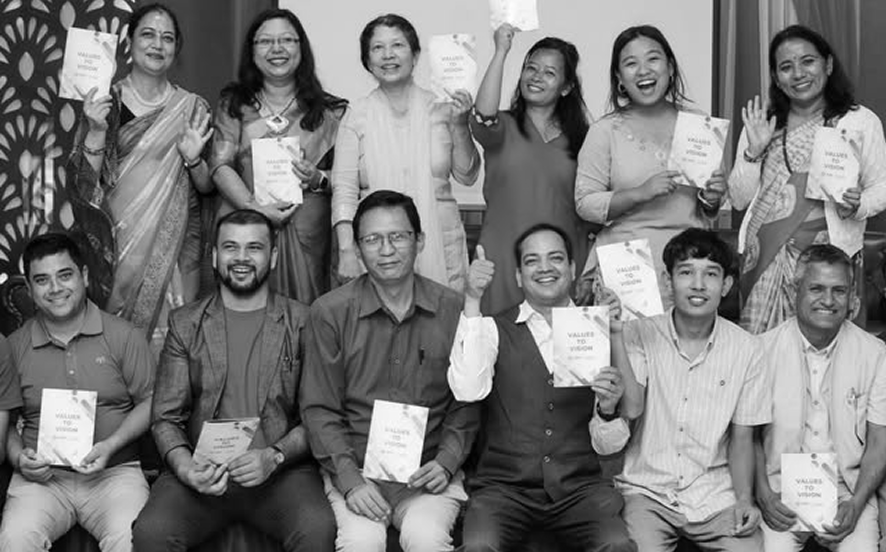
Launched the KS website with a focus on making it a digital library that brings together the resources we have developed to support learning, sharing, and wider use by teachers, students, youths, and communities.
Our Partners
The Karkhana Network
-
Karkhana.Asia
Karkhana Asia is the social enterprise arm of the network, working directly with schools across Nepal to build a culture of experimentation and scientific thinking in students. -
Karkhana Global
Karkhana Global is the newest member of the network, a US-based non-profit that grew out of the collective's expanding work across borders.