What it does/ How it functions
-
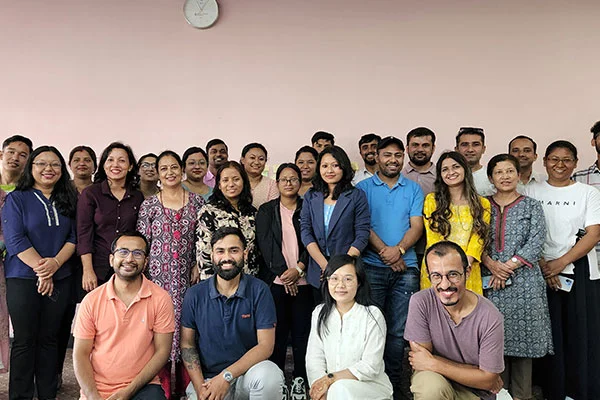
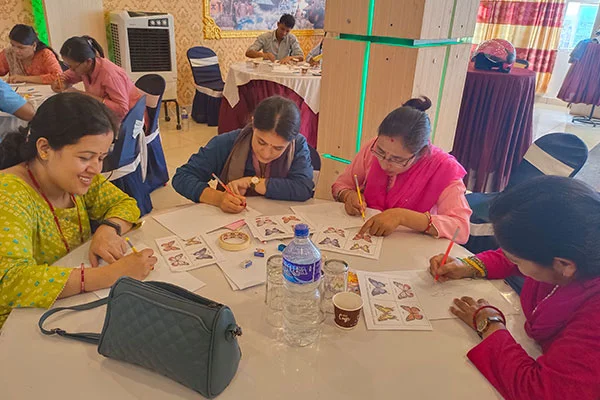
Catalyze a self sustaining Community of Practice of educators to support learning through play and engineering.
-
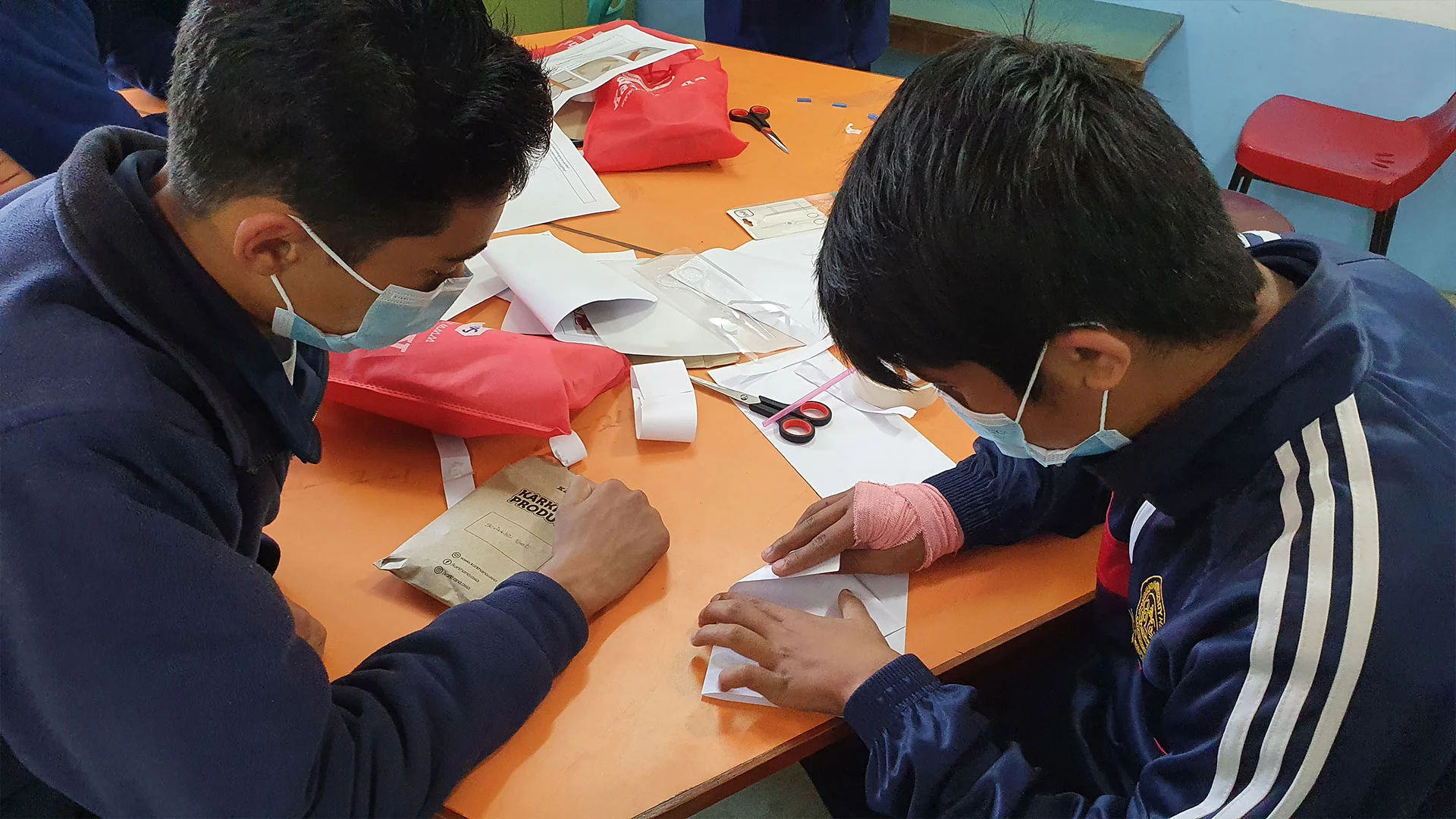
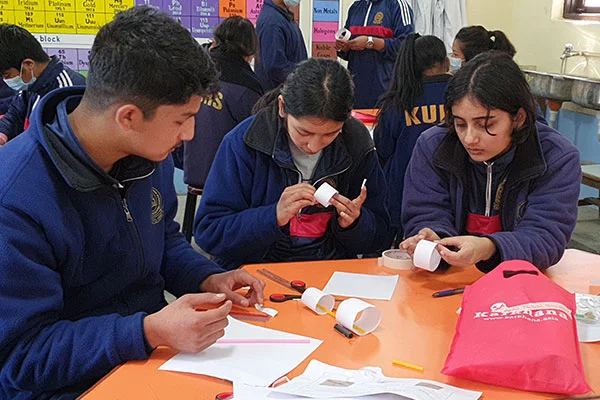
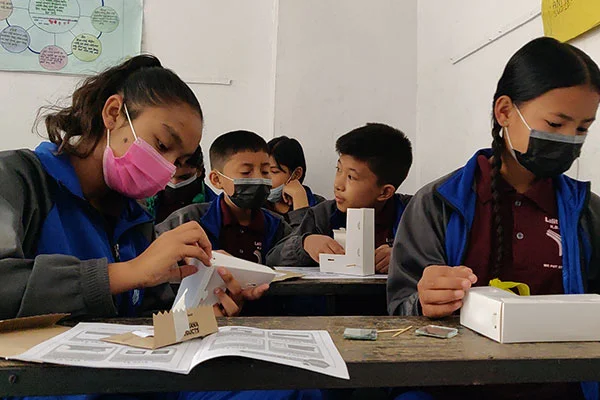
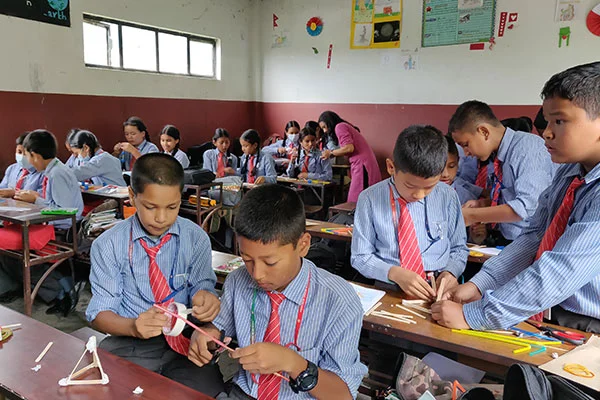
Created a play based learning curriculum including lessons plans, a teacher guide, and student activity sheets, supported by a digital platform.
-
Enhanced educators capacity to utilize digital resources for self-directed professional development.
-
Increased engagement of female educators and female students in Engineering practices.
Testimonials
-

Students who struggle with academics, who score low grades, and hardly engage in regular classes, are the ones who actively engage and excel in the PEBL hands-on lessons. This has made me question the effectiveness of our teaching methods. I have realized that any child can learn if the method is suitable.
-
If the teacher suffers from PEBL fever
- They speak less but listen more
- Intervene less but observe more
- Answer less but ask more
- Demonstrate less but prepare more
I reflect on how my pedagogy has changed. I used to think silent classes were good, but now I question classrooms where only the teacher talks. I think interaction is essential for students to learn. Asking students the right questions makes them curious. I have realized the importance of effective feedback and reflection in setting a classroom culture that promotes learning.
-
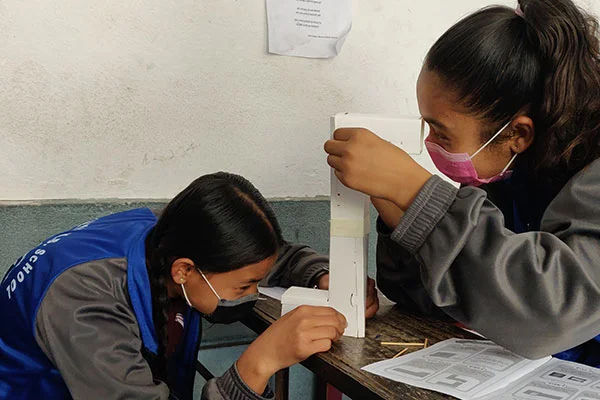
Our school does not have a science lab, which means students don’t get opportunities to experiment and discover scientific concepts. Through PEBL, I was able to teach scientific concepts like properties of liquids and light through lessons like chromatography and periscope with hands-on materials. I have started to tackle challenges creatively and to design my own lesson plans utilizing limited materials after being part of this program. I have been experimenting with making different physical models to explain different concepts to students.
Gallery